
 Image 1 of 2
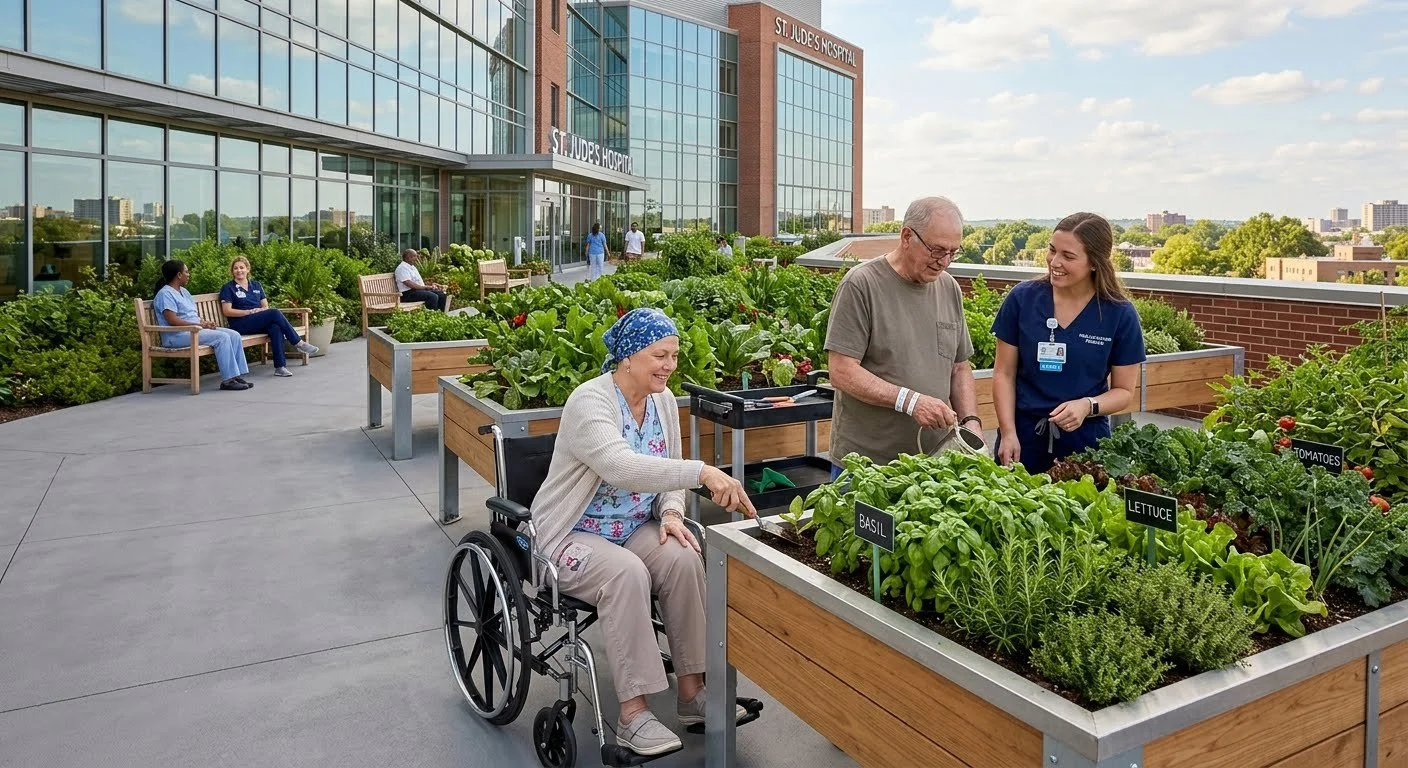 Image 2 of 2
Successful home gardening relies on matching your plants' biological needs—sunlight, soil quality, and water—with your available space.
Key factors
What kind of space do you have? (e.g., a sunny backyard, a small balcony, or just an indoor windowsill?)
What vegetables or herbs are you most excited to eat?
What is your general geographic location or climate zone to find out the best month to start planting?
Healthcare & Hospital Healing Gardens
Therapeutic Rehabilitation: Utilizing waist-high raised beds allows occupational and physical therapy patients—including wheelchair users—to engage in low-impact mobility exercises that lower cortisol and boost cognitive function.
Clinical Infection Control: Built around soil-less growing media and placed strategically away from critical ventilation intakes, these zones safeguard immunocompromised patients from airborne fungal pathogens.
Farm-to-Cafeteria Nutrition: Integrating automated indoor vertical farming and microgreen racks yields a reliable, year-round stream of vitamin-dense ingredients for patient menus and staff respite dining.
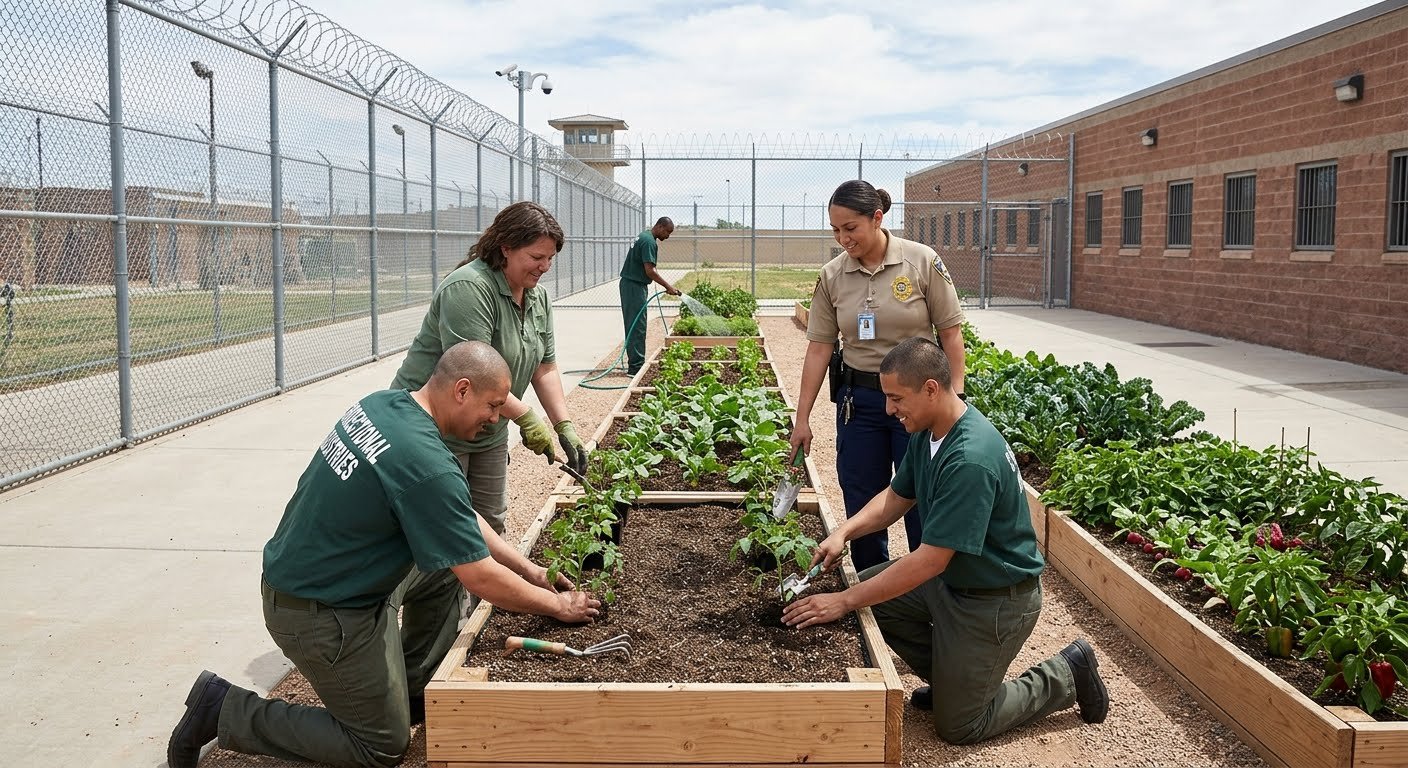
Correctional Facility Horticulture
Vocational Skill Building: Provides participants with industry-recognized credentials, such as Master Gardener certifications, teaching technical skills in irrigation, hydroponics, and commercial agriculture to directly reduce recidivism.
Behavioral Management: Acting as a constructive, low-stress outlet, tending to living plants fosters patience and personal accountability, significantly lowering behavioral infraction rates within the housing blocks.
Operational Cost Reduction: Harvested low-profile vegetables feed directly into the facility's kitchen facilities, providing nutritious meal supplementation while lowering overall institutional food procurement budgets.
Successful home gardening relies on matching your plants' biological needs—sunlight, soil quality, and water—with your available space.
Key factors
What kind of space do you have? (e.g., a sunny backyard, a small balcony, or just an indoor windowsill?)
What vegetables or herbs are you most excited to eat?
What is your general geographic location or climate zone to find out the best month to start planting?
Healthcare & Hospital Healing Gardens
Therapeutic Rehabilitation: Utilizing waist-high raised beds allows occupational and physical therapy patients—including wheelchair users—to engage in low-impact mobility exercises that lower cortisol and boost cognitive function.
Clinical Infection Control: Built around soil-less growing media and placed strategically away from critical ventilation intakes, these zones safeguard immunocompromised patients from airborne fungal pathogens.
Farm-to-Cafeteria Nutrition: Integrating automated indoor vertical farming and microgreen racks yields a reliable, year-round stream of vitamin-dense ingredients for patient menus and staff respite dining.
Correctional Facility Horticulture
Vocational Skill Building: Provides participants with industry-recognized credentials, such as Master Gardener certifications, teaching technical skills in irrigation, hydroponics, and commercial agriculture to directly reduce recidivism.
Behavioral Management: Acting as a constructive, low-stress outlet, tending to living plants fosters patience and personal accountability, significantly lowering behavioral infraction rates within the housing blocks.
Operational Cost Reduction: Harvested low-profile vegetables feed directly into the facility's kitchen facilities, providing nutritious meal supplementation while lowering overall institutional food procurement budgets.